Serbian Medieval Heritage in Kosovo: A Traveller’s Introduction
A comprehensive guide to the extraordinary monasteries, sacred art, royal endowments, and living spiritual traditions that define Kosovo’s cultural landscape.
Between the late 12th and mid-15th centuries, the central Balkan region of Kosovo served as the political, economic, and spiritual heartland of medieval Serbia under the Nemanjić dynasty. Here, sovereign kings, archbishops, and noble families established their royal residences, held state assemblies (sabore), and invested substantial state revenues from silver and gold mines into enduring sacred foundations—known in Serbian as zadužbine (endowments created 'for the salvation of the soul').
Rather than passive museum monuments, these sanctuaries represent an unbroken tradition of Eastern Orthodox Christian worship, scholarship, and community life. Their architecture achieves a unique synthesis: Western Romanesque and Gothic stonecraft executed by master builders from the Adriatic coast, combined with the luminous theological fresco traditions of the Byzantine Palaiologan Renaissance.
1. The UNESCO Collection: Medieval Monuments in Kosovo
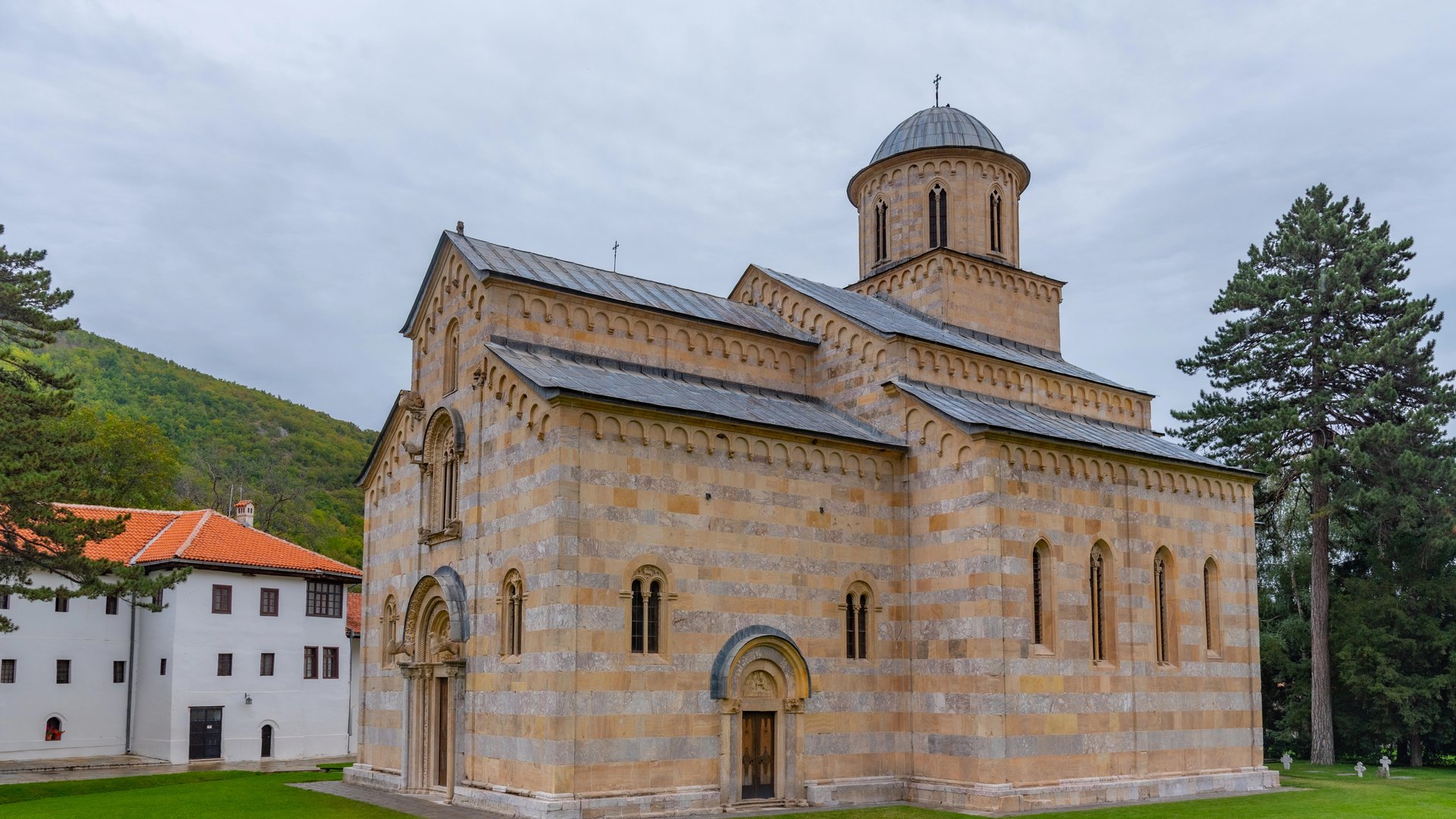
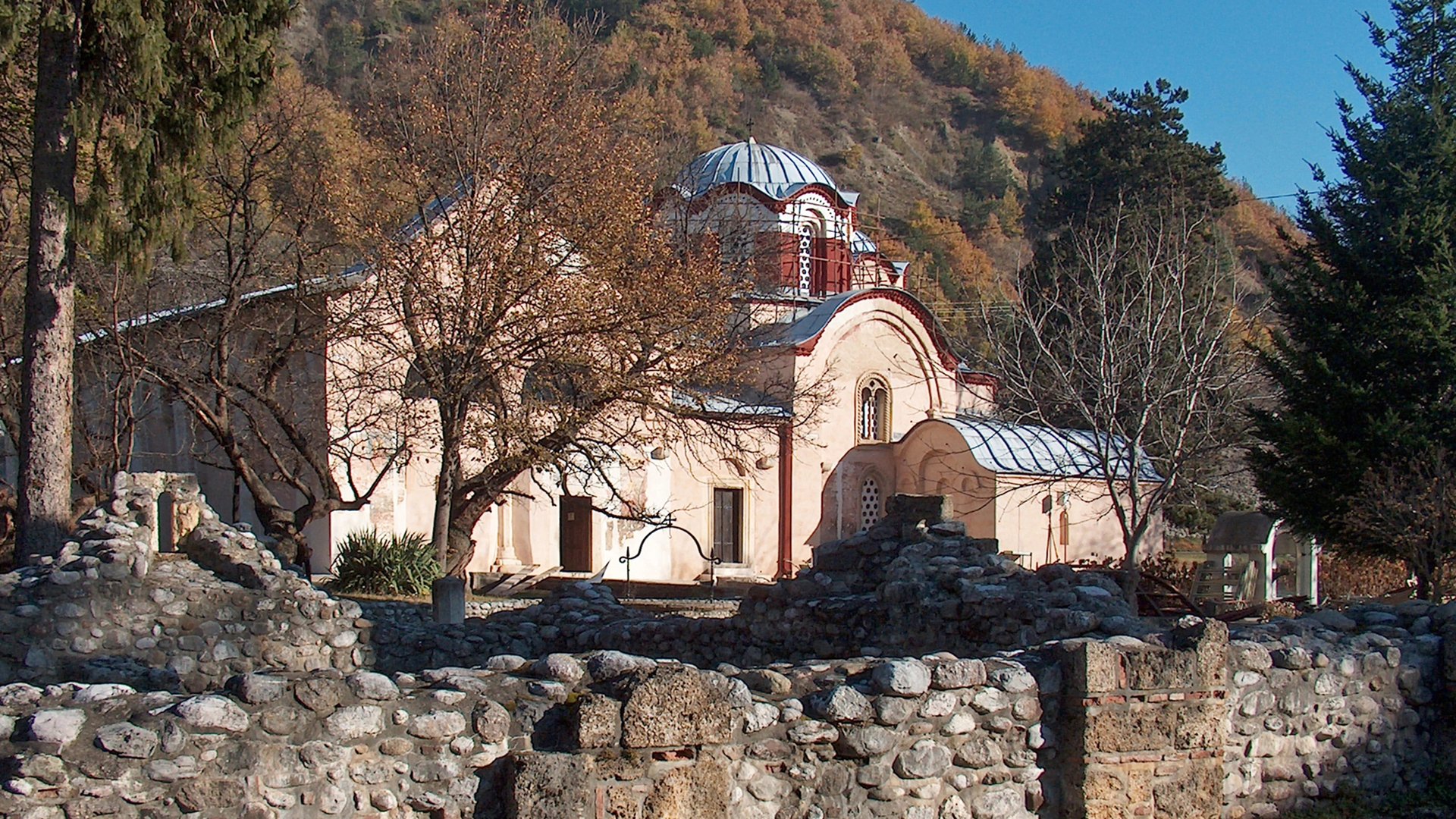
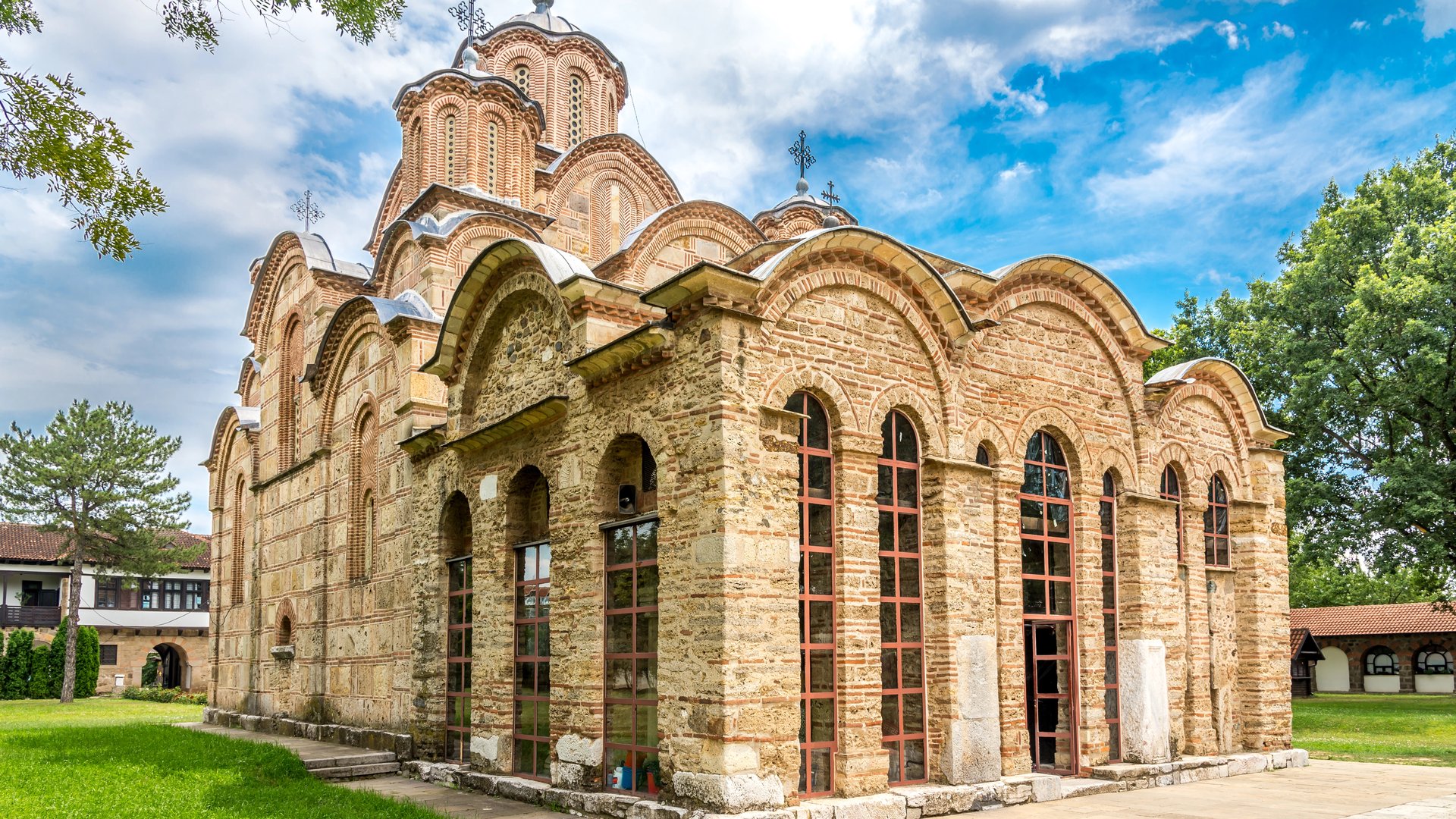
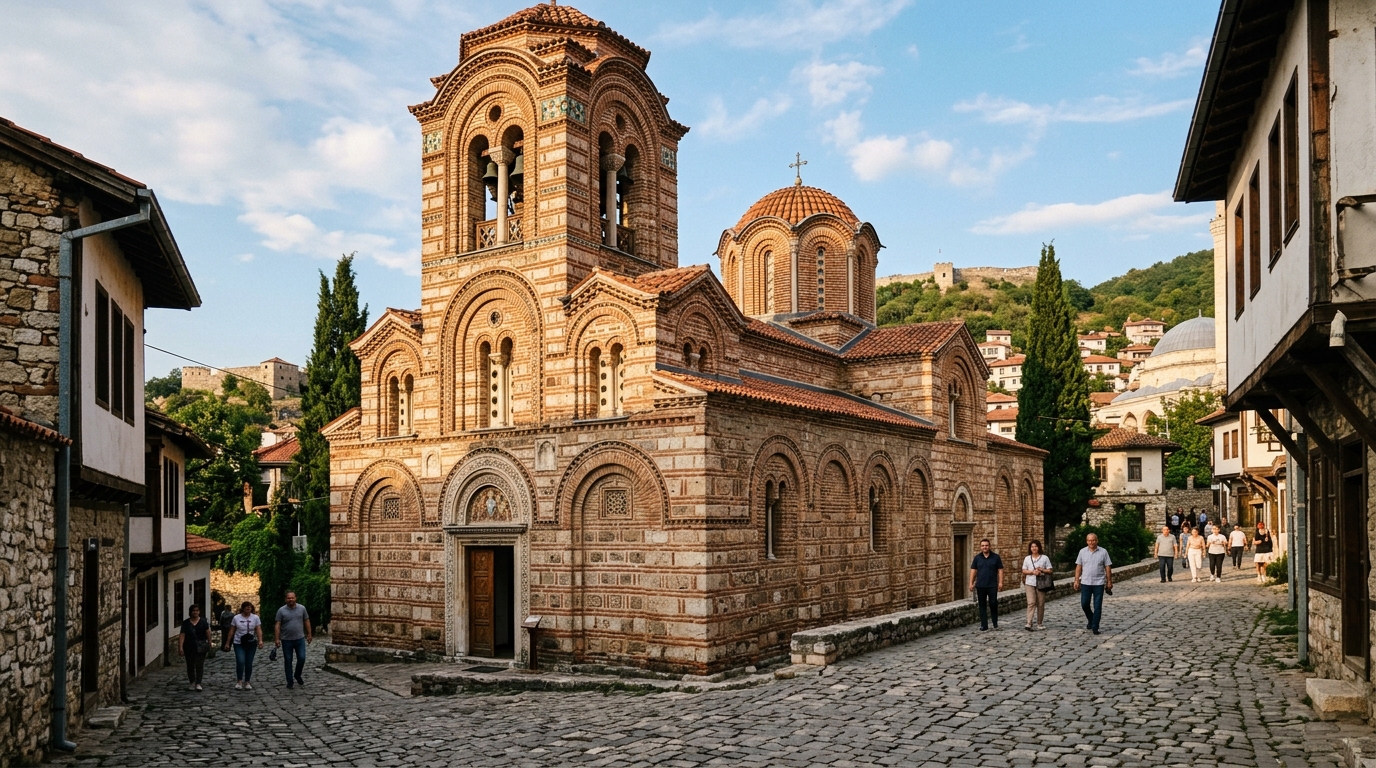
Inscribed on the UNESCO World Heritage List under the unified serial title Medieval Monuments in Kosovo (Ref: 724bis), this property comprises four distinct component sites. Together, they demonstrate the highest artistic achievements of Byzantine-Serbian medieval civilization:
2. Beyond the UNESCO Four: Royal Citadels & Sanctuaries
The medieval cultural landscape extends far beyond the four famous UNESCO monuments. In the narrow Bistrica river gorge near Prizren stand the monumental stone foundations of Holy Archangels Monastery, founded by Emperor Stefan Dušan in 1343 with its once-legendary serpentine mosaic floor. In northern Kosovo, Banjska Monastery preserves the three-colored stone facade and Romanesque carvings of King Milutin's royal burial church. Perched above the eastern valleys, the octagonal citadel towers of Novo Brdo recall the medieval silver boomtown whose mineral wealth financed these artistic marvels.
Continue the Story: Visit Holy Archangels in the canyon for tranquil monastic hospitality, then climb to the fortress of Novo Brdo to understand the economic engine of medieval Serbia.
3. Kings, Patrons & Builders
In medieval Serbia, founding a monastery was an act of sacred stewardship. The ruler did not build for personal vanity; the monastery was formally gifted to God, the Mother of God, or a patron saint through a royal golden bull charter (hrisovulja) that endowed the brotherhood with villages, forests, and mills to support prayer and hospitality perpetually.
Holy King Stefan Milutin
Reigning from 1282 to 1321, Milutin was the greatest builder in Serbian history. In Kosovo, he created Gračanica, Our Lady of Ljeviš, and Banjska, bringing master painters from Thessaloniki to ignite the Palaiologan Renaissance.
Emperor Stefan Dušan
Serbia’s most powerful sovereign, crowned 'Emperor of Serbs and Greeks' in 1346. Dušan elevated Peć to a Patriarchate, completed Dečani’s frescoes, and built the imperial burial monastery of Holy Archangels.
4. Frescoes, Architecture & Sacred Art
To step into Visoki Dečani or Gračanica is to enter an illuminated visual universe. The interior walls function as an architectural theological encyclopedia. Byzantine fresco painting does not aim to capture photographic realism; it uses inverse perspective, spiritual gestures, and precious natural mineral pigments—such as Afghan lapis lazuli and gold leaf—to make the invisible heavenly kingdom tangible to human eyes.
5. Living Heritage: The Monastic Tradition Today
A crucial distinction for international visitors is that Kosovo’s monasteries are active communities, not museum relics. Monks and nuns wake before sunrise for Matins and the Divine Liturgy, cultivate vineyards, produce medicinal teas and chestnut honey, and preserve centuries of manuscript copying and icon painting.
Visitors who approach with modest dress, quiet reverence, and polite curiosity will encounter extraordinary warmth and authentic monastic hospitality (filoksenija).
6. Preservation & Restoration
Following centuries of war, fires, and modern unrest—notably the March 2004 ethnic violence that severely damaged Our Lady of Ljeviš and Holy Archangels—the preservation of this heritage has required coordinated international and local dedication.
Specialized conservators from the Serbian Institute for the Protection of Cultural Monuments, in close cooperation with UNESCO, European heritage missions, and the Serbian Orthodox Church, have methodically cleaned soot from damaged frescoes, stabilized structural domes, and installed climate monitoring systems, ensuring these world treasures endure for future generations.
Experience Serbian Heritage on the Road
Explore our curated 4-day travel route connecting all four UNESCO monuments, royal capitals, and mountain landscapes.
View the 4-Day Heritage Itinerary →